Table Of Content
- My Baby Has Hair! What Does That Mean? 🧐
- Why Some Babies Are Born Without Hair
- 🤞 What are the chances of getting a clear picture of my baby’s face and hair on a 3D ultrasound?
- How To Tell if A Baby Has Hair on Ultrasound
- The Ultimate Guide To 3D Ultrasounds – A Peek Inside The Womb
- 📈 Is there a correlation between the visibility of hair on a 3D ultrasound and the baby’s hair at birth?

Many expectant parents look forward to the day when they can see their baby’s face for the first time. Ultrasound technology has made it possible to get a glimpse of the developing fetus in the womb. By the 15th week, your baby’s hair pattern starts to develop as the hair pushes through the scalp. Around this time, the fuzzy halo of hair will be visible on ultrasounds.
HIFU for Face Treatment: Benefits, Cost, Efficacy & More - Healthline
HIFU for Face Treatment: Benefits, Cost, Efficacy & More.
Posted: Mon, 04 Feb 2019 08:00:00 GMT [source]
My Baby Has Hair! What Does That Mean? 🧐
However, it is important to note that 5D ultrasound is not a replacement for medical ultrasound exams and should only be performed by trained healthcare professionals. The images are black and white and show the structure and shape of the object being scanned. 2D ultrasounds are used for routine prenatal care, as well as to diagnose and monitor medical conditions. The timing of your first ultrasound photo depends on the individual pregnancy and the doctor’s preference. Generally, pregnant women will receive their first ultrasound in their first trimester, between 8-14 weeks. This is when the doctor can get an accurate estimate of the due date and check for any potential problems.
Why Some Babies Are Born Without Hair
Since the image is in black and white, the hair appears like a fuzz on the head of the baby, and while it may not be noticeable to a layperson, trained professionals can point it out. The 2D ultrasound uses reflected sound waves to give a black-and-white image of a baby. To better understand the possibility of seeing hair through a 3d ultrasound, let us consider the different types of ultrasounds used to monitor a baby’s development. By the time a full-term baby is born, lanugo is typically no longer present on the body.
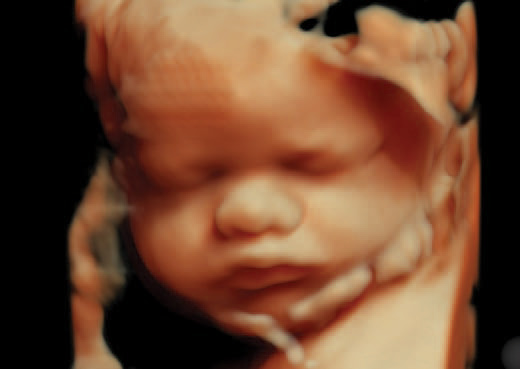
🤞 What are the chances of getting a clear picture of my baby’s face and hair on a 3D ultrasound?
The reflected waves are then transformed into a 2-dimensional picture of your baby. In fact, Dr. Hakakha advises that you avoid the temptation to get a 3D or 4D ultrasound unless your doctor's office offers it as part of a regularly scheduled visit. I am Mariyazish, a passionate writer, mother of three and advocate for parents.
Many facilities also offer printed or digital keepsake photos, or even video recordings, for you to cherish forever. …will ensure you’re doing everything you can to help your baby, hair and all, grow healthily. In some cases, it may be difficult to determine the gender of the baby, especially if they are in a position that makes it hard to see their genital area.
💇♂️ Can you tell the texture of your baby’s hair on a 3D ultrasound?
As early as 17 weeks into the pregnancy, ultrasounds can show a hint of dark locks sprouting from the head of your little one. However, this isn’t always the case and some mums may have to wait until later in the 3rd trimester before they can catch a glimpse of their baby’s hair onscreen. Ultrasounds are usually taken between the 17th and 20th week of pregnancy, while most babies grow their full head of hair in the fourth trimester. During this time period, antenatal ultrasounds will typically show only a few strands or particles that resemble early baby hairs.
Pregnant Hilary Duff Colors Her Hair Blue Ahead of Baby's Arrival: 'This Doesn't Mean I'm Having a Boy' - PEOPLE
Pregnant Hilary Duff Colors Her Hair Blue Ahead of Baby's Arrival: 'This Doesn't Mean I'm Having a Boy'.
Posted: Fri, 19 Feb 2021 08:00:00 GMT [source]
The probe emits high-frequency sound waves that bounce off the fetus and surrounding tissues, creating images that can be viewed on a monitor. Multiple pictures are taken at different angles and fit together to create a more realistic, three-dimensional view of your baby. 2D ultrasounds are the only ultrasounds that are able to pick up individual strands of hair.
The Ultimate Guide To 3D Ultrasounds – A Peek Inside The Womb
Indeed, 3D ultrasounds give you a much clearer and sharper look at your baby—and their little features. Here's everything you need to know about 3D baby ultrasounds, including the cost, benefits, and how they compare to 2D and 4D ultrasounds. While ultrasounds give us a sneak peek, they’re just part of the prenatal bonding experience. Talking to your baby, playing music, and imagining the future are all ways parents connect with their unborn child, hair unseen. It’s delicate and doesn’t provide enough contrast against the amniotic fluid and the baby’s skin for the ultrasound to pick it up. It’s not about the number of dimensions; it’s about resolution and contrast.
However, with a little knowledge and practice, it is possible to read and understand these images. It is important to note that not all fetuses develop the same amount of hair. Some may have more hair than others, and some may not have any hair at all. The hair begins to push through the scalp to form the hair pattern by the 15th week. The hair formed during this period is called Lanugo, which is temporary. If you’re not yet a parent, you may not be able to relate to the excitement that accompanies pregnancy.
During the appointment, the patient will be asked to lie down on a table and a special gel will be applied to the skin over the area that will be examined. It is important to note that while 3D ultrasounds can provide a more detailed look at the baby, they are not a substitute for regular prenatal care. They should be used as a supplement to regular ultrasounds and other prenatal tests, not as a replacement. While 3D ultrasounds are not necessary for routine prenatal care, many parents-to-be opt to get one to get a better view of their baby.
Parents should always consult with their doctor about any concerns they have about their baby’s health. When looking at an ultrasound image, there are several things to keep in mind. And sometimes, you can’t explain the emotions, but one thing for sure is that you’re excited to meet your little one. You want to know what it would look like if it took after the mother, father, or grandparents. With her children in tow, she studies English and has made a career creating content about motherhood. In her free time, she enjoys traveling within the states to kayak, camp, and hike.
There are several different ultrasound types available to give expectant parents a sneak peek at their growing baby. In this section, we’ll take a look at each of them and determine whether they can show your baby’s hair. A baby born with lots of hair on its body has recently gone viral after pictures of the infant’s ultrasound scan were shared online. The image shows an unborn baby covered in a thick layer of hair all over its face, neck, and shoulders. The appearance of hair on a 3D or 4D ultrasound can provide an exciting glimpse into what the baby will look like after it’s born.


No comments:
Post a Comment